
Helping Kids Process Fear and Anxiety Around School
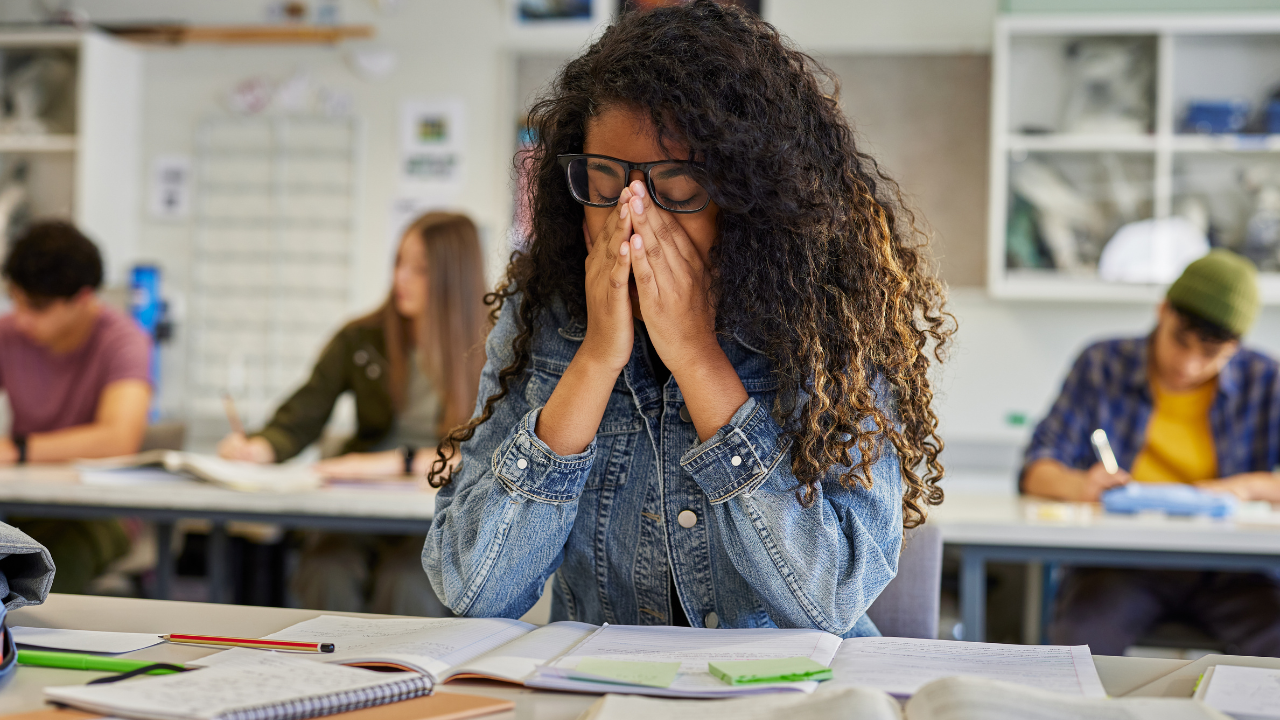
For some children, the thought of Monday morning can feel less like the start of another school week and more like facing something they desperately want to avoid.
School can be a source of learning, friendship, and confidence; it can also become a significant source of anxiety though. Children may worry about academic expectations, social situations, separation from caregivers, bullying, changes in routine, or simply feeling unable to manage everything being asked of them.
When these concerns begin affecting attendance, mornings at home, classroom participation, or a child's overall functioning, parents and caregivers may be seeing more than ordinary reluctance to go to school.
Understanding School Refusal
School refusal is not a diagnosis itself. It describes a pattern in which a child experiences significant distress related to attending school and begins avoiding school or having difficulty remaining there. Anxiety is a common factor, although school refusal can have multiple underlying causes.
School refusal can look different depending on a child's age and circumstances. A younger child may become extremely upset about separating from a parent or caregiver, while an adolescent may be more concerned about friendships, social pressures, academic performance or an experience happening at school.
Some children may clearly say that they are afraid or worried. Others may communicate anxiety through behavior or physical symptoms instead.
What School Refusal Can Look Like
Parents may notice a pattern of:
- Frequent requests to stay home or be picked up early
- Headaches, stomachaches, asking to go to the school nurse, and other physical complaints that occur around school
- Difficulty getting ready, or leaving the house in the morning
- Increasing distress on Sunday evenings or after weekends and vacations
- Avoidance of specific classes, activities or social situations
- Declining grades, difficulty concentrating, or emotional outbursts
The American Academy of Pediatrics notes that school refusal can be associated with separation anxiety, social anxiety and other anxiety concerns, and may become particularly noticeable after vacations, long weekends, or other disruptions to routine.
Importantly, physical symptoms should not automatically be dismissed as anxiety. A child's doctor can help determine whether a medical concern is contributing to the symptoms.
How Parents Can Support a Child With School Anxiety
Parents can begin by approaching the concern with curiosity and consistency. The goal is not to eliminate every uncomfortable feeling before a child returns to school. Instead, children need support learning that they can experience anxiety and still move through the situation.
Maintaining predictable morning and evening routines can help reduce the number of decisions a child has to make when they are already overwhelmed. It can also be helpful to talk about the next school day before anxiety reaches its highest point, rather than waiting until the morning rush. This can help children plan and visualize the next day which can ease anxiety by giving them a mental roadmap to follow.
Grounding and breathing strategies can give children something concrete to practice when anxiety begins building. Simply Bee's School Refusal Resource includes techniques such as five-senses grounding, body scans, mindful journaling and several breathing exercises that families can practice together. These strategies are designed to help children move through their anxiety, empowering them to gain greater control of their emotions and feelings.
School collaboration is also important. Teachers, counselors, and other school staff may be able to identify situations that are contributing to a child's distress and help create a consistent plan for supporting attendance.
When Additional Support May Be Needed
Some nervousness around school, transitions, tests or social situations can happen from time to time. Persistent avoidance, however, can interfere with academics, friendships, family functioning, and a child's confidence.
The American Academy of Child and Adolescent Psychiatry recommends seeking professional support when fears persist or school refusal becomes a significant concern. Evaluation can help identify what is driving the avoidance and whether anxiety, depression, learning difficulties, bullying, or another concern may be contributing.
Treatment should always be tailored to each child’s needs, but may include individual therapy, family involvement, and collaboration with the school. Cognitive behavioral approaches are also commonly used to help children understand their anxious thoughts, develop coping skills and gradually work toward returning to school.
Building Confidence Beyond the Fear
Halloween can remind us how differently people experience fear. A child may be excited to walk through a haunted house while another child wants to stay far away. Anxiety around school can work in much the same way. What feels manageable to one child can feel overwhelming to another.
The goal is not to make every fear disappear. It is to help children understand what they are experiencing, develop skills for managing it and gradually build confidence in their ability to face challenging situations.
At Simply Bee, our adolescent school refusal programs provide structured support for students experiencing school avoidance, anxiety and related concerns. Treatment can include individual and group therapy, family involvement and collaboration with schools to help children apply what they are learning in their daily lives.
Sources:
American Academy of Pediatrics: https://www.aap.org/en/patient-care/school-health/mental-health-in-schools/supporting-students-with-anxiety-in-school/
American Academy of Child and Adolescent Psychiatry: https://www.aacap.org/AACAP/AACAP/Families_and_Youth/Facts_for_Families/FFF-Guide/School-Refusal-007.aspx
Child Mind Institute: https://childmind.org/article/when-kids-refuse-to-go-to-school/
