
Improving Mental Health While Reducing Stigma in Adolescents
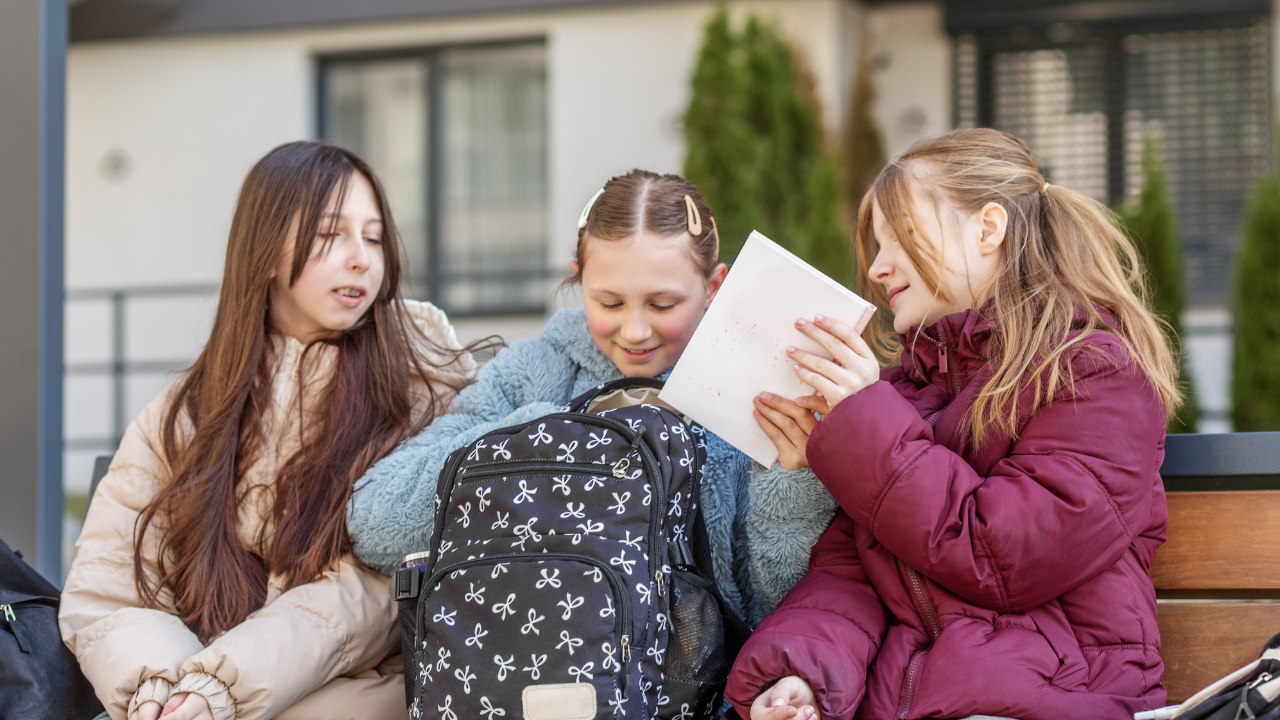
Imagine a middle schooler sitting quietly at lunch.
Their friends are laughing and sharing stories, but they feel disconnected. Over the past few months, they have been feeling more anxious than usual, struggling to concentrate in class and feeling overwhelmed by worries they cannot fully explain. They want to talk to someone about it, but hesitate.
“What if people think something is wrong with me?”
“What if they don’t understand?”
Instead of speaking up, they smile, nod, and tell everyone they’re fine.
This is what mental health stigma often looks like. It does not always appear as harsh words or obvious judgment. Sometimes it shows up as silence, avoidance, or fear of being seen differently.
Reducing stigma begins by understanding moments like these and recognizing how common they are for adolescents.
When Silence Feels Safer Than Speaking Up
Imagine a high schooler who has been feeling increasingly stressed.
School assignments are piling up, friendships feel complicated, an...
Social-Emotional Learning: Practical Skills for Real Life

Social-Emotional Learning: Skills That Help Kids and Adults Thrive
It is 7:30 in the morning and a third grader cannot find the homework they swear they finished. Tears start to fall as the bus pulls up outside. You take a deep breath, kneel down, and help them slow down long enough to think through what to do next.
Moments like this happen in homes, schools, and workplaces every day. They are small on the surface, yet emotionally big. How we respond in these moments is shaped by something called Social-Emotional Learning (SEL). While SEL is usually discussed in relation to children, it is just as important for adults. These are the skills that help all of us understand our feelings, connect with others, and navigate life with confidence.
What Social-Emotional Learning Really Means
At recess, two friends argue over whose turn it is to use the jump rope. Voices get louder, feelings get hurt, and both children storm off in opposite directions.
Situations like this are a normal part ...
Supporting Kids Who Struggle With Friendships: Social Anxiety, Rejection Sensitivity, and Emotional Regulation
It often shows up after school.
A child drops their backpack by the door and heads straight to their room. When asked how their day was, they shrug and say, “Fine,” but their shoulders are tense and their answers are short. Someone didn’t sit with them at lunch. A text went unanswered. A joke landed wrong.
For kids who struggle with friendships, these moments can feel overwhelming, even when they seem small from the outside. Social relationships are deeply tied to identity and belonging, and when something feels off, it can shake a child’s sense of safety in ways they may not know how to explain.
When Social Anxiety Shapes How Kids Show Up
Before a birthday party, a child asks repeatedly who will be there and what they will be doing. As the party gets closer, they suddenly complain of a stomachache and ask if they have to go.
Social anxiety in kids does not always look like fear. Sometimes it looks like avoidance, irritability, or constant reassurance seeking. Kids with social anx...
Back-to-School Mental Health Tips: How Parents Can Support a Smooth Transition for Teens
As summer winds down and school supplies start filling shopping carts, many families begin to feel the anticipation and sometimes anxiety that comes with the back-to-school season. For teens, returning to school can bring a whirlwind of emotions: excitement about seeing friends, dread over academic pressure, or worries about social dynamics and performance expectations. Research published in the Journal of Adolescent Health shows that transitions like the start of a new school year are key stress points for teens, especially those who struggle with anxiety or depression.
The good news is that with mindful support from parents and caregivers, this transition doesn’t have to feel overwhelming. That’s why we’re sharing practical, research-backed tips to help your teen feel emotionally supported and mentally prepared for a healthy return to school. We’re also including a free downloadable Back-to-School Mental Health Checklist for Teens & Parents to help you put these ideas into action.
...