
Creating a Safety Net: Protective Factors That Help Reduce Suicide Risk in Children, Teens, and Young Adults

Every September, Suicide Prevention Month reminds us of the importance of raising awareness, reducing stigma, and encouraging meaningful conversations about mental health. While understanding the warning signs and risk factors associated with suicide is essential, prevention is also about building the protective factors that help children, teens, and young adults feel connected, supported, and hopeful long before they reach a crisis.
If you're a parent, caregiver, or loved one, you may have found yourself wondering:
"Am I doing enough?"
It's a question many caring adults ask themselves. However, suicide prevention isn't about saying the perfect thing or preventing every hardship. More often, it's about creating an environment where a young person knows they are loved, heard, and never alone.
Protective factors are the relationships, skills, environments, and resources that help reduce suicide risk while promoting emotional well-being. They don't eliminate life's challenges, but the...
Improving Mental Health While Reducing Stigma in Adolescents

Imagine a middle schooler sitting quietly at lunch.
Their friends are laughing and sharing stories, but they feel disconnected. Over the past few months, they have been feeling more anxious than usual, struggling to concentrate in class and feeling overwhelmed by worries they cannot fully explain. They want to talk to someone about it, but hesitate.
“What if people think something is wrong with me?”
“What if they don’t understand?”
Instead of speaking up, they smile, nod, and tell everyone they’re fine.
This is what mental health stigma often looks like. It does not always appear as harsh words or obvious judgment. Sometimes it shows up as silence, avoidance, or fear of being seen differently.
Reducing stigma begins by understanding moments like these and recognizing how common they are for adolescents.
When Silence Feels Safer Than Speaking Up
Imagine a high schooler who has been feeling increasingly stressed.
School assignments are piling up, friendships feel complicated, an...
Understanding and Helping Kids with Trauma

You notice a child freeze when plans change, even slightly. A new activity, a new voice in the room, or a small surprise feels overwhelming to them.
Many children carry experiences that shape how safe the world feels to them. Trauma does not always come from one big event. It can also come from ongoing stress, instability, or feeling unseen for long periods of time. Understanding this helps adults respond with care instead of confusion or frustration.
What Trauma Can Look Like in Everyday Life
You see a child overreact to something that seems small, like a noise, a transition, or a simple request.
Trauma can live in the body. Kids may not have words for what they are feeling, but their behavior is communicating something important. You might notice:
- Big reactions to small changes
- Trouble calming down after being upset
- Wanting to control situations
- Shutting down or withdrawing
- Being extra alert to what others are doing
These are not “bad behaviors.” They are signs that a c...
Social-Emotional Learning: Practical Skills for Real Life

Social-Emotional Learning: Skills That Help Kids and Adults Thrive
It is 7:30 in the morning and a third grader cannot find the homework they swear they finished. Tears start to fall as the bus pulls up outside. You take a deep breath, kneel down, and help them slow down long enough to think through what to do next.
Moments like this happen in homes, schools, and workplaces every day. They are small on the surface, yet emotionally big. How we respond in these moments is shaped by something called Social-Emotional Learning (SEL). While SEL is usually discussed in relation to children, it is just as important for adults. These are the skills that help all of us understand our feelings, connect with others, and navigate life with confidence.
What Social-Emotional Learning Really Means
At recess, two friends argue over whose turn it is to use the jump rope. Voices get louder, feelings get hurt, and both children storm off in opposite directions.
Situations like this are a normal part ...
How New Year’s Diet Culture Can Be Harmful to Kids and What to Focus on Instead
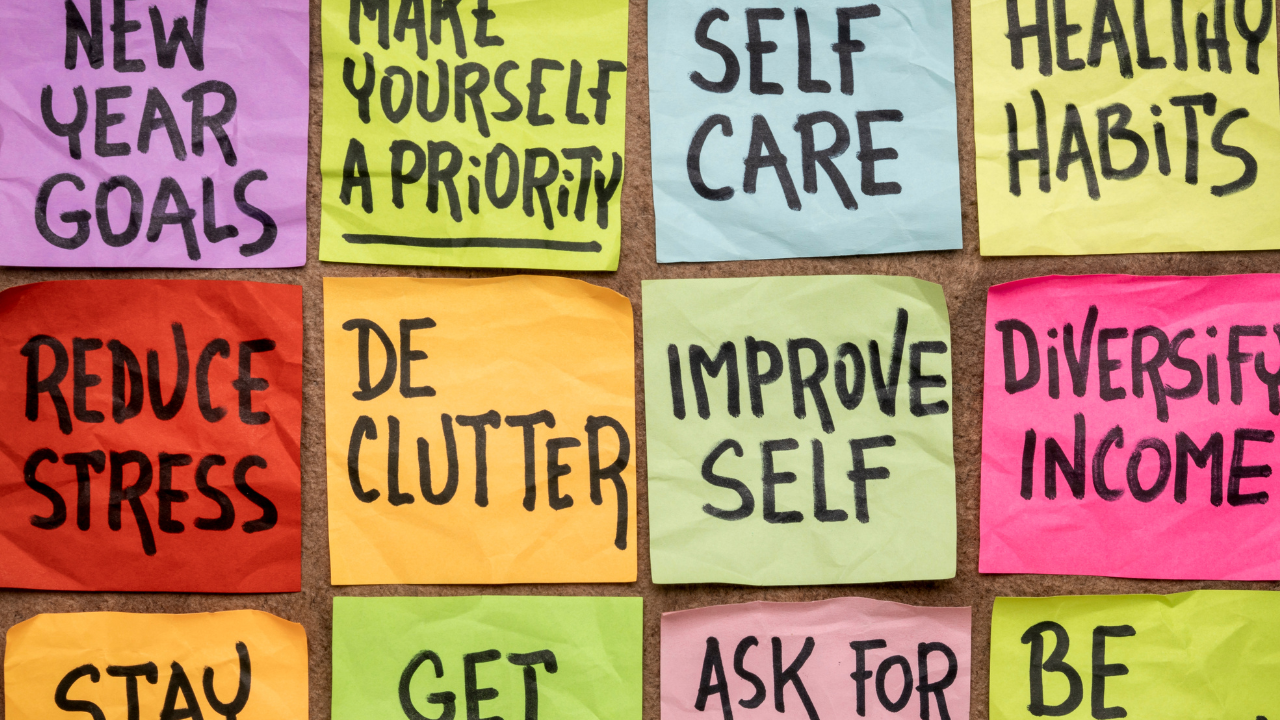
It often starts quietly.
A parent comments about needing to eat better now that the holidays are over. Their child looks up from the table and asks what that means. No one thinks much of it at the time, but something shifts. Foods that were once neutral suddenly carry meaning, and kids begin listening more closely than we realize.
For many families, these moments are unintentional. Adults are navigating their own relationship with food and body image in a culture that pushes self-improvement every January. But kids are watching, absorbing, and learning about how the adults in their lives perceive food and body image.
How Diet Culture Shows Up for Kids
A child overhears a conversation about cutting sugar and later pushes dessert away, saying it’s too much sugar. When asked why, they shrug and repeat a phrase they heard without fully understanding it.
Diet culture often shows up through everyday language and behaviors. It can sound like jokes about weight gain, praise for eating les...
The Power of Checking In: A Small Act That Makes a Big Difference

We often ask, “How are you?” out of habit—an automatic greeting tossed out in passing. But what if we slowed down, asked with intention, and truly listened for the answer?
In the world of mental health, one of the most underrated yet powerful tools we have is simply checking in. Whether it’s a text, a coffee chat, or a quiet moment of eye contact and empathy, checking in with someone can be a life-changing (and in some cases, life-saving) act.
The Research: Why Checking In Matters
We know that mental health isn’t always easy to see. Many people who are feeling anxious, overwhelmed, or low may not feel comfortable sharing what they’re going through: a 2020 study found that nearly half of those experiencing depressive symptoms hadn’t told anyone—often because they worried about being judged or becoming a burden to others (Rees & Anderson, 2023).
The good news is, even one person’s support can truly make a difference. Another 2020 research study shows that feeling cared for by fri...
Demystifying Therapy: Understanding CBT, DBT, EMDR and Beyond

If you've ever looked into therapy, you've likely come across a slew of acronyms: CBT, DBT, EMDR, ACT, ERP… It can feel overwhelming trying to make sense of what these mean and which approach is “right.” The truth is, therapy isn't one-size-fits-all. Different approaches offer different tools and understanding a few key aspects of each can empower you to make informed decisions that best support your mental health and healing journey.
Let’s take a closer look at three commonly used, evidence-based therapy types: Cognitive Behavioral Therapy (CBT), Dialectical Behavior Therapy (DBT), and Eye Movement Desensitization and Reprocessing (EMDR) as well as a few other common approaches.
Cognitive Behavioral Therapy (CBT)
CBT is one of the most widely researched and practiced forms of therapy. It’s based on the concept that our thoughts, feelings, and behaviors are interconnected. By learning to identify and shift unhelpful thought patterns, people can change how they feel and respond to...
Spring Break Reset: Mental Health Strategies For The Whole Family

Spring break is often seen as a time for fun, relaxation, and adventure. But for many families, it can also bring unexpected challenges: the shift in routine, social changes, and pressure to make the most of the break can impact mental well-being for both kids and adults alike. Some children may struggle with boredom or loneliness when friends are away, while adults might feel stretched between work, family responsibilities, and planning activities.
Prioritizing mental health as a family can help everyone feel more balanced and refreshed by the time break ends. Let’s talk about how to recognize when someone in the family might be struggling and practical ways to support both kids and adults during break.
How Spring Break Can Affect Mental Health
While a break from school and work can be exciting, the shift in routine can be unsettling. Families may experience:
- Kids feeling lonely or bored – Without the usual social interactions, children may feel disconnected. For kids who r...
The Role of Medication in Therapy: What Parents Need to Know

When a child, teen, or adult is struggling with their mental health, therapy is often the first step toward healing. But for some, therapy alone may not be enough. Medication can play a crucial role in managing symptoms, allowing individuals to engage more effectively in therapy and daily life.
As a parent, understanding how medication fits into a mental health treatment plan can feel overwhelming and scary. This guide will answer some frequently asked questions about medication -- its purposes, benefits, and how it works alongside therapy.
👉Is Medication Always Necessary?
No, medication is not always necessary. Many people benefit from therapy alone, especially for mild symptoms or situational stressors such as adjusting to a new school or managing work-related stress. In these cases, therapy can provide tools and coping strategies to help individuals navigate challenges without the need for medication.
However, when mental health symptoms are persistent, severe, or significan...
Seasonal Self-Care: A Yearlong Guide to Well-Being

As the New Year begins, we often turn to resolutions that focus on personal growth, productivity, or external achievements. While these goals are important, they can sometimes overshadow the need for a solid foundation of self-care — something we all deserve and need. Self-care isn’t just a buzzword – it’s about prioritizing your needs, taking care of your body and mind, and creating habits that help you thrive in all aspects of your life.
Let’s face it: self-care is hard to maintain, especially when you don’t have a plan in place! If you’re looking for a new way to approach self-care this year, we encourage you to think about it in terms of the seasons. Just like the seasons flow and change, our lives move through cycles that call for different types of self-care. By aligning your self-care practices with the rhythm of the seasons, you can create an intentional space for renewal, reflection, and growth throughout the year. Let’s dive into a seasonal guide to help you build a self-c...
